From Brand Strategy to Digital Product: What Kunstsilo Taught Us
Written by
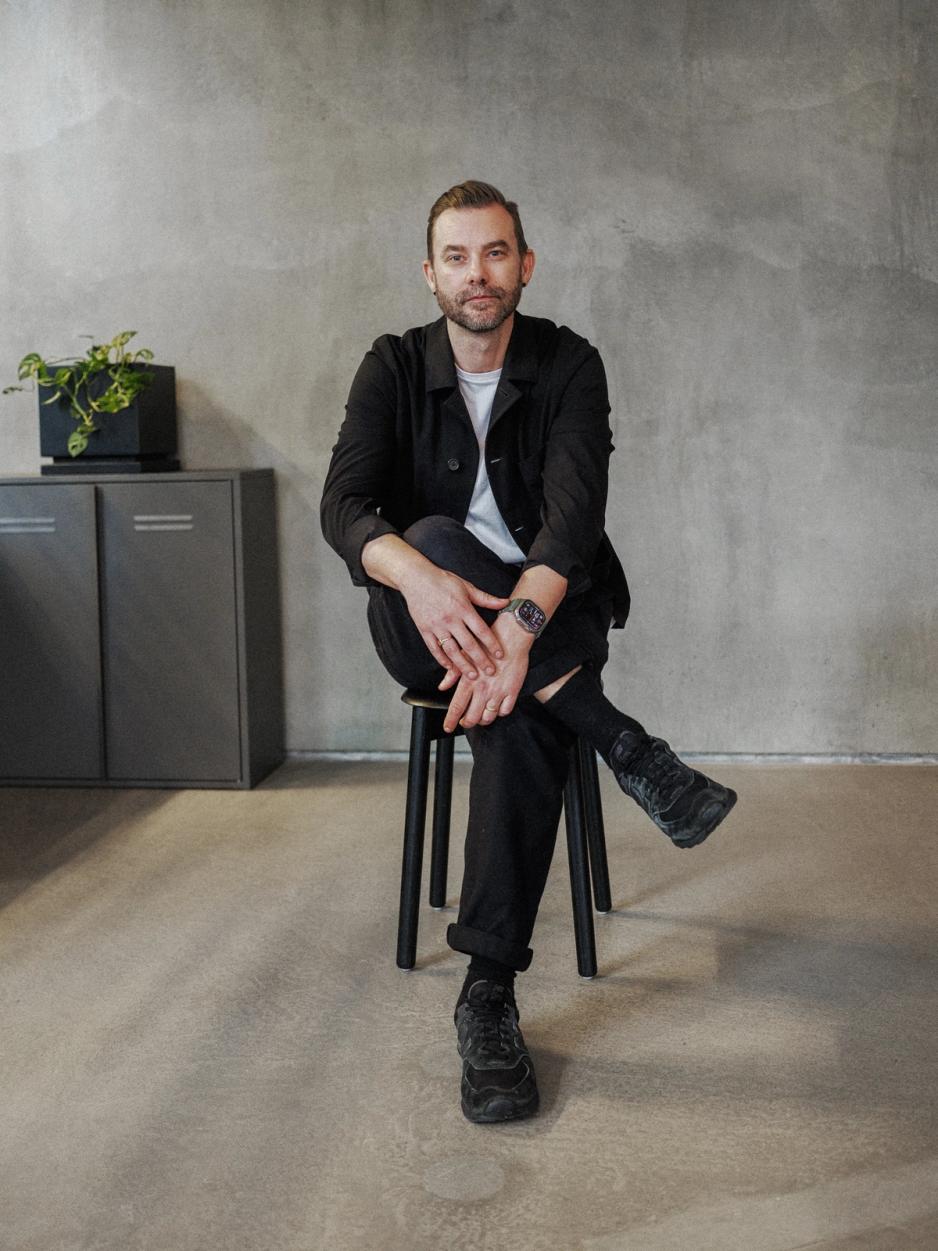
Stian Ward Bugten
Head of Creative | Partner and Owner

Brand strategy becomes useful in digital product development when it decides what the product should do, what it should prioritise and how it will be run after launch. At Kunstsilo, that meant treating the website and the screens inside the museum as parts of the same visitor experience.
Many organisations commission brand strategy and digital product as two projects, each with its own brief. The strategy ends up as a document, and the website receives it at the end as a layer of colour and type. In our experience the connection has to be made earlier, in the decisions about content, structure and operations.
Kunstsilo opened in Kristiansand in May 2024, in a converted grain silo. Nonspace developed the brand strategy ‘Shifting Perspectives’, the visual identity, signage and wayfinding, and the digital platform for Kunstsilo. The strategy set a high bar: the museum was to become a local, national and international destination, with an annual visitor target larger than the local population. A target like that depends on people coming back, long after the opening.
Three decisions made the strategy concrete in the digital product.
1. Start With the Questions Visitors Bring
A museum website has two jobs at once. It has to spark interest in someone who has just discovered the museum, and give quick answers to someone who has already decided to visit: What’s on today? Where do I buy tickets? What happens when I arrive? On the Kunstsilo website, editorial stories and exhibitions sit alongside a calendar and clear routes to visitor information, tickets and membership.
That is a strategic decision, and it follows from the goal of repeat visits. If Kunstsilo is to be a cultural venue people return to, the programme has to be easy to find long after the launch campaign is over. The website has to be useful before, during and after a visit.


2. Give the Same Content Different Jobs
An exhibition does not need the same treatment everywhere. On the website it gets a full introduction, images and information for planning a visit. On a screen in the building, a title, time and location are enough. The details have to agree, and the presentation has to fit the situation.
Nonspace built the Kunstsilo website on Sanity and uses Brandspace Displayer to manage the content on the museum’s screens. The editorial team runs both from the same content system, with separate playlists and different displays depending on where a screen is placed. When the programme changes, they update it in one place.

3. Design for the People Who Will Run It
A digital product is also a working tool. When a new exhibition goes on the programme, the editorial team needs to be able to publish it and choose where it appears. That workflow is part of the design task, on a par with navigation and typography.
A good test before choosing a platform is to take one routine change and follow it from start to finish: Who writes it? Who publishes it? Where does it need to appear? How many times does someone have to update it? The answers tell you more about what to build than a list of technologies.
What We Take With Us.
Brand strategy says who you are for. The digital product decides whether they find their way. At Kunstsilo we connected the two through three decisions: visitors’ questions first, the same content on several surfaces and a system the editorial team can run themselves.
See how Kunstsilo publishes to web and screens from one system, or read about how we work with brand strategy and identity and digital product development. Do you have a strategy that needs to become a digital product? We are happy to set aside time for an informal conversation.
Would you like to know more about this?
Reach out to the team, we're happy to answer questions, receive feedback or discuss the topic.